Hashimoto’s disease is a chronic autoimmune disease that can damage your thyroid gland. It can cause lower-than-normal levels of thyroid hormone. This affects several areas of your body and causes symptoms like fatigue, weight gain and constipation. Hashimoto’s disease is treatable with medication.
Advertisement
Cleveland Clinic is a non-profit academic medical center. Advertising on our site helps support our mission. We do not endorse non-Cleveland Clinic products or services. Policy
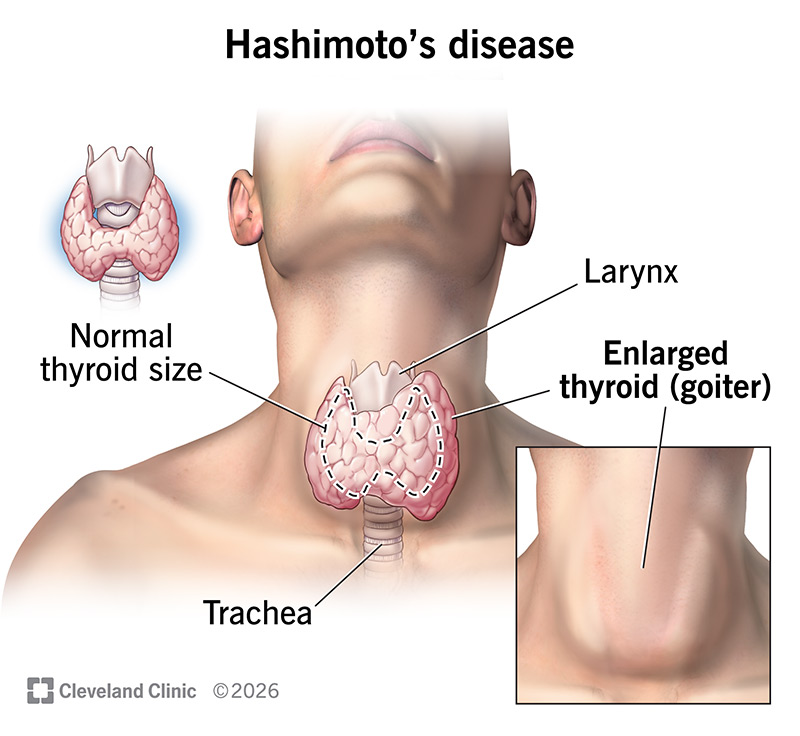
Image content: This image is available to view online.
View image online (https://nail-vitality.co/-/scassets/images/org/health/articles/hashimotos-disease-thyroiditis%3C%21-- -->)
Hashimoto’s disease is an autoimmune condition that affects your thyroid gland. It’s the most common cause of hypothyroidism (underactive thyroid).
Advertisement
Cleveland Clinic is a non-profit academic medical center. Advertising on our site helps support our mission. We do not endorse non-Cleveland Clinic products or services. Policy
Your thyroid is a small, butterfly-shaped gland located at the front of your neck under your skin. It’s a part of your endocrine system and releases thyroid hormones.
With Hashimoto’s disease, your immune system mistakenly attacks your thyroid, making it harder for the gland to produce enough thyroid hormone. It causes symptoms like fatigue and weight gain.
Hashimoto’s is a lifelong (chronic) condition. There’s no known way to prevent it.
Hashimoto’s disease is also called Hashimoto thyroiditis, chronic lymphocytic thyroiditis and chronic autoimmune thyroiditis.
You may not have any symptoms of Hashimoto thyroiditis at first. As the condition slowly progresses, your thyroid gland will sometimes become enlarged (a condition called goiter). Goiter is a common first sign of the disease.
If Hashimoto’s disease leads to hypothyroidism, it can cause the following symptoms over time:
You might not notice any symptoms if you have Hashimoto’s disease without hypothyroidism. But if you develop hypothyroidism, it can make you feel “off.”
Advertisement
Because you don’t have enough thyroid hormone, many of your body’s normal functions slow down. You may feel tired, sluggish or have trouble thinking clearly. Talk to your provider if your body and mind feel stuck in slow motion.
Hashimoto thyroiditis is an autoimmune disease, which means your body’s immune system attacks your cells and organs.
Normally, your immune system protects your body against harmful external invaders, such as bacteria and viruses. But in Hashimoto’s disease, the following happens:
Experts don’t know the exact cause, but they think genetics and sex are factors.
Anyone at any age can develop the condition. But females are 4 to 10 times more likely to get it than males. Most people get a diagnosis between the ages of 30 and 50.
Research suggests that your genetics increase your risk. If you have biological family members with Hashimoto’s disease or other thyroid conditions, you’re more likely to get it.
You’re also more likely to get Hashimoto’s if you have other autoimmune conditions, like:
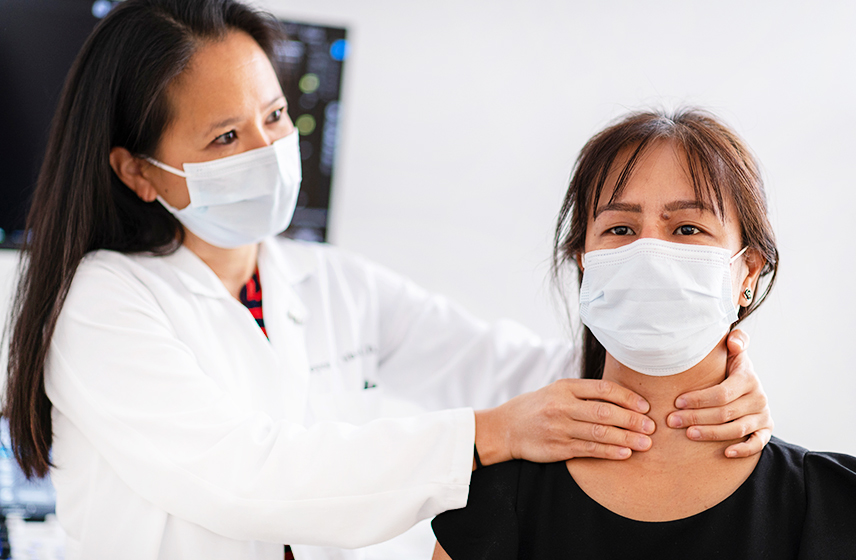
First, your healthcare provider will talk with you about your symptoms and medical history. They’ll do a physical exam and feel your thyroid gland.
Then, they’ll order these blood tests:
In some cases, your provider may recommend a thyroid ultrasound to check the size of your thyroid and look for thyroid nodules (growths).
Not everyone with Hashimoto’s disease develops hypothyroidism. If you have high antibody levels but don’t have hypothyroidism, your healthcare provider will likely monitor your thyroid levels instead of starting treatment.
If Hashimoto’s disease leads to hypothyroidism, the go-to treatment is a medication called levothyroxine. It’s a synthetic form of the hormone T4 that your thyroid makes.
Advertisement
Brand names of levothyroxine include:
This medication helps restore the normal levels of thyroid hormone your body needs. You’ll need to take it every day for the rest of your life.
Over time, you may need a different dose of the medication. Your provider will adjust the dose if needed.
There’s no special diet for Hashimoto’s disease. But some foods, medicines or supplements may affect how your body absorbs levothyroxine. Talk to your healthcare provider or a registered dietitian about any dietary questions you have.
Without treatment, hypothyroidism can lead to certain health problems, including:
In rare cases, it can lead to a myxedema coma. This happens when your body functions slow down to dangerous levels.
Without treatment, hypothyroidism can also cause problems during pregnancy. It can increase your risk of miscarriage, preterm birth and preeclampsia.
If you have Hashimoto’s disease, you’ll need to see your healthcare provider regularly. They’ll do routine thyroid hormone blood tests to make sure your levels are in range and that the dose of medication you’re taking is right for you.
Advertisement
Otherwise, see your healthcare provider if you develop new or worsening symptoms or notice a change in your thyroid.
If you have symptoms of myxedema coma, call 911 or get to the emergency room as soon as possible. This complication of severe hypothyroidism is life-threatening.
Symptoms include:
With lifelong monitoring and treatment, the outlook for people with Hashimoto’s disease is excellent.
Most people can manage the condition and live healthy, active lives with the right treatment. Your provider may adjust your treatment over time to make sure your thyroid hormone levels stay in a healthy range.
With the right treatment, your activity levels and life expectancy shouldn’t change just because you have this condition.
Getting a new diagnosis can be stressful. The good news is that Hashimoto’s disease is a manageable and treatable condition. If you’re having symptoms of Hashimoto’s or have risk factors, like a family history of thyroid disease, be sure to contact a healthcare provider. They can run some simple tests to see if your thyroid isn’t making enough thyroid hormone.
Advertisement




Sign up for our Health Essentials emails for expert guidance on nutrition, fitness, sleep, skin care and more.
Learn more about the Health Library and our editorial process.
Cleveland Clinic’s health articles are based on evidence-backed information and review by medical professionals to ensure accuracy, reliability and up-to-date clinical standards.
Cleveland Clinic’s health articles are based on evidence-backed information and review by medical professionals to ensure accuracy, reliability and up-to-date clinical standards.
Cleveland Clinic’s experienced healthcare providers treat all kinds of thyroid disorders, including issues that cause hypothyroidism and hyperthyroidism.